Weight loss lowers cholesterol by reducing LDL (low-density lipoprotein) and triglycerides while improving HDL (high-density lipoprotein) levels. These changes are measurable, clinically significant, and tied directly to how much weight you lose and how you lose it. Clinical guidelines from the NHLBI and data published through NCBI confirm that even modest weight reduction produces real lipid improvements. Losing just 5–10 pounds drops total cholesterol by 5–10%. Understanding the mechanism behind this connection gives you a clear path forward, not just a general directive to eat less.
How weight loss lowers cholesterol: what the clinical data shows
The core mechanism is straightforward. Excess body fat, particularly visceral fat stored around the abdomen, drives the liver to overproduce triglycerides and LDL particles. When you lose that fat, the liver’s output normalizes, and your lipid panel reflects the change.
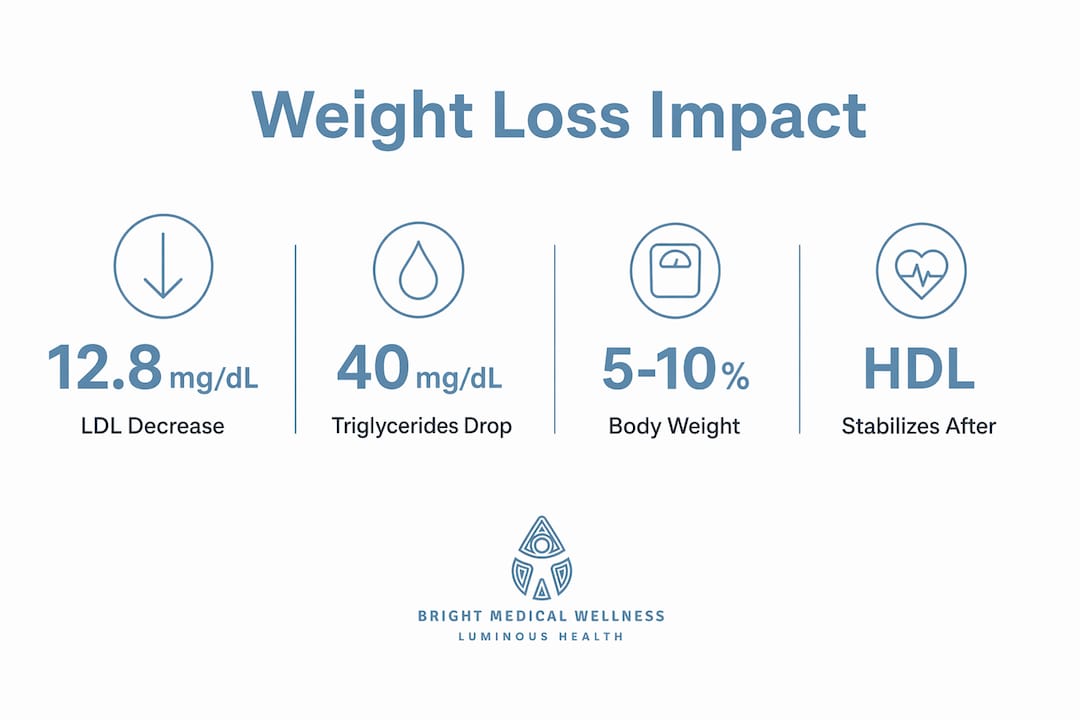
The numbers are specific. Losing 10 kg produces a 12.8 mg/dL decrease in LDL and a 40 mg/dL decrease in triglycerides. That is a clinically meaningful shift. A 40 mg/dL drop in triglycerides, for example, moves many people out of the borderline-high range entirely.
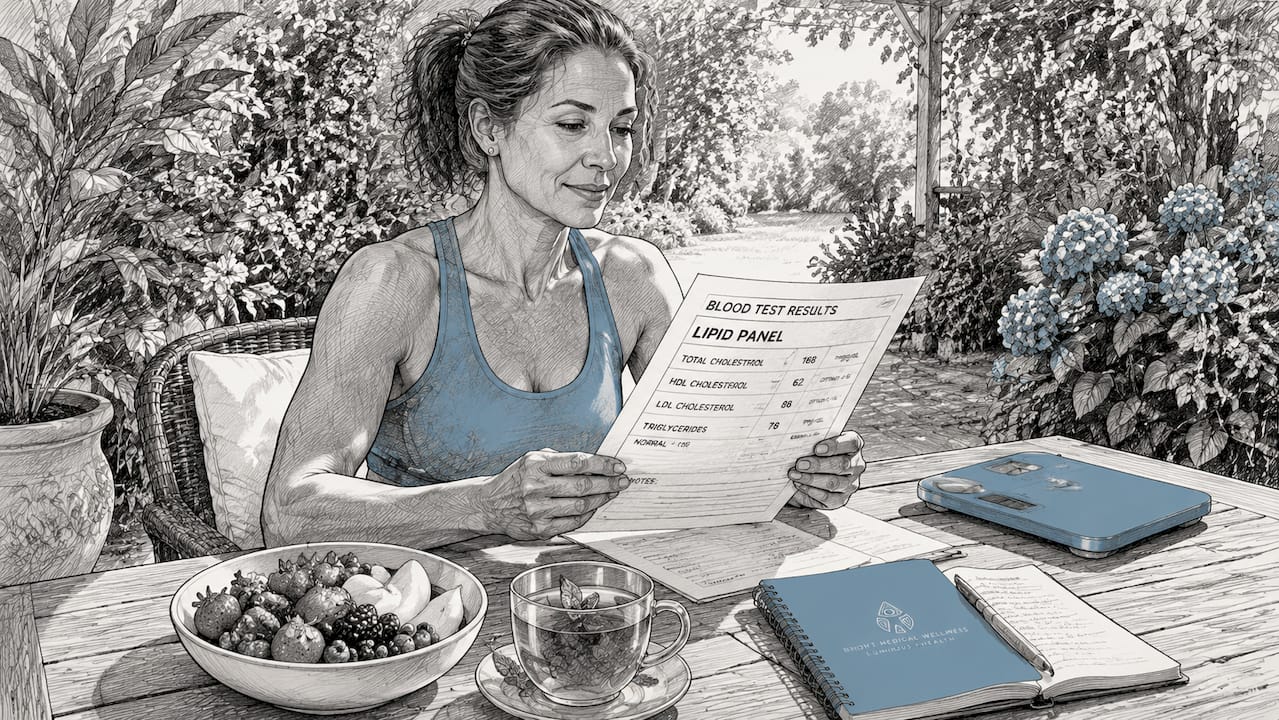
A 5–10% reduction in total body weight consistently lowers triglycerides by 16–40 mg/dL and reduces LDL by 10–12.8 mg/dL. That threshold matters because it is achievable. For a 200-pound person, 5–10% means losing 10–20 pounds, not 80.
HDL behavior is more nuanced. During active weight loss, HDL temporarily decreases. Once your weight stabilizes, HDL rises. This is not a reason to avoid weight loss. It is a reason to understand the timeline and not panic at a midpoint lab result.
Pro Tip: Get a fasting lipid panel before you start a weight loss program and again after you reach a stable new weight. Measuring during active loss can give a misleading picture of your HDL.
| Lipid Marker | Effect of 5–10% Weight Loss |
|---|---|
| LDL cholesterol | Decreases by 10–12.8 mg/dL |
| Triglycerides | Decreases by 16–40 mg/dL |
| Total cholesterol | Decreases by 5–10% |
| HDL cholesterol | Temporarily drops, then rises after stabilization |
How diet composition and exercise shape your lipid results
Weight loss amount is not the only variable. How you eat and move during that process determines which lipid markers improve most and by how much.
The fat type question
Replacing saturated fats with unsaturated fats reduces LDL and supports heart health. This is the foundation of the NHLBI’s Therapeutic Lifestyle Changes (TLC) program. Saturated fats, found in red meat, butter, and full-fat dairy, signal the liver to produce more LDL. Unsaturated fats, found in olive oil, avocados, and nuts, do the opposite.
Soluble fiber adds another layer of benefit. It binds to cholesterol in the digestive tract and removes it before it enters the bloodstream. Foods high in soluble fiber include oats, beans, lentils, apples, and psyllium husk. Plant sterols, found in fortified foods and some vegetables, block cholesterol absorption at the intestinal level.
Low-carb vs. balanced-fat diets
Low-carbohydrate diets lower triglycerides more aggressively than high-carbohydrate diets. This makes them effective for people with elevated triglycerides. The trade-off is that low-carb diets are less effective at preserving or raising HDL compared to diets that include healthy unsaturated fats. A diet built around olive oil, fatty fish, and nuts tends to produce better HDL outcomes than one that simply cuts carbs without replacing them with quality fats.
Very low-fat diets carry a specific risk. When fat intake drops too low, HDL levels can fall along with it. HDL needs dietary fat to maintain its structure and function. Extreme fat restriction is not the same as heart-healthy eating.
Exercise and lipid profiles
Aerobic exercise raises HDL, lowers LDL, and reduces triglycerides. The clinical recommendation is 150 minutes of moderate-to-vigorous aerobic activity per week. That breaks down to 30 minutes five days a week, which is a manageable target for most adults aged 30–60.
Resistance training two days per week adds metabolic benefit beyond what aerobic exercise alone provides. It improves insulin sensitivity, which directly affects how the liver processes fats. Combining both types of exercise produces better lipid outcomes than either alone.
Pro Tip: Walking briskly for 30 minutes after dinner is one of the most effective ways to lower post-meal triglyceride spikes. You do not need a gym membership to hit your aerobic target.
What people get wrong about weight loss and cholesterol
Several common assumptions about the connection between weight and cholesterol are either incomplete or flat-out wrong. Knowing the nuances protects you from misreading your lab results or choosing the wrong dietary approach.
- Weight loss always raises HDL immediately. It does not. HDL decreases during active weight loss at a rate of approximately 0.27 mg/dL per kilogram lost, then increases by 0.35 mg/dL per kilogram once weight stabilizes. The net effect is positive, but the timing matters.
- Thin people do not have high cholesterol. Body weight and LDL are related but not perfectly correlated. Genetics, diet quality, and physical activity all influence LDL independently of body mass index. A person at a normal weight can have dangerously elevated LDL.
- Low-fat diets are always best for cholesterol. Very low-fat diets can lower HDL. The quality of fat matters more than the quantity. Replacing saturated fat with unsaturated fat is the goal, not eliminating fat entirely.
- Weight loss alone is sufficient to normalize lipids. For many people, it is not. Many patients require pharmacologic therapy for substantial lipid changes, even after meaningful weight loss. Lifestyle change is the foundation, but it is not always the complete solution.
“Weight loss effects on lipids are modest but an important part of comprehensive treatment.” — NCBI Endotext, Obesity and Dyslipidemia
The practical takeaway is this: weight loss is a powerful tool, but it works best as part of a broader plan that includes diet quality, exercise, and, when needed, clinical support.
How to build a sustainable weight loss plan for cholesterol benefits
Sustainable weight loss produces lasting cholesterol improvements. Rapid loss followed by regain does not. The goal is a plan you can maintain, not one that produces the fastest short-term results.
Set a realistic initial target. Aim for 5–10% of your current body weight as the first milestone. This threshold produces measurable lipid improvements and is achievable within three to six months for most people using a moderate caloric deficit.
Build your diet around unsaturated fats and fiber. Prioritize olive oil, avocados, nuts, and fatty fish as your primary fat sources. Add soluble fiber through oats, beans, and vegetables daily. These two changes address LDL and HDL simultaneously.
Meet the aerobic exercise standard. Reach 150 minutes of aerobic activity weekly, combined with resistance training two days per week. This combination is the clinical recommendation for adults with elevated triglycerides and supports broader cardiovascular health.
Avoid fad diets that eliminate fat entirely. Extreme fat restriction lowers HDL. A longevity-focused weight loss plan includes quality fats rather than cutting them out.
Monitor your lipid panel at the right time. Test before you start, then again after your weight has been stable for at least four to six weeks. Mid-loss testing can show a temporary HDL dip that does not reflect your long-term trajectory.
Consider clinical support for personalized guidance. A medical weight loss program can provide lab monitoring, dietary structure, and medication options when lifestyle changes alone do not produce sufficient lipid improvements.
Pro Tip: Track your waist circumference alongside your weight. Visceral fat reduction, which drives LDL and triglyceride improvements, often shows up in your waistline before it shows up on the scale.
Cholesterol-lowering through weight loss works best when it is integrated with fiber intake, aerobic activity, and clinical support to address the inflammation that obesity creates in the cardiovascular system.
Key Takeaways
Weight loss lowers LDL and triglycerides measurably at the 5–10% body weight threshold, but diet quality and exercise determine whether HDL improves alongside them.
| Point | Details |
|---|---|
| 5–10% weight loss matters | Losing this amount reduces LDL by up to 12.8 mg/dL and triglycerides by up to 40 mg/dL. |
| HDL timing is counterintuitive | HDL drops during active loss and rises after stabilization, so test at the right time. |
| Fat quality beats fat quantity | Replacing saturated with unsaturated fats lowers LDL without sacrificing HDL. |
| Exercise is non-negotiable | 150 minutes of weekly aerobic activity plus resistance training produces the best lipid outcomes. |
| Clinical support fills the gap | Many people need pharmacologic or structured medical support alongside lifestyle changes. |
What I have learned about weight loss and heart health after years in this space
The most common mistake I see is treating cholesterol as a single number to fix rather than a system to balance. People focus entirely on lowering LDL and ignore HDL. Or they cut all fat from their diet and wonder why their HDL drops. The lipid panel is a set of interconnected markers, and each one responds differently to the same intervention.
The second thing I have learned is that weight loss is the beginning of the work, not the end. Reaching a lower weight stabilizes your lipid profile. Staying there is what produces lasting cardiovascular benefit. Regaining weight reverses the gains, sometimes quickly. This is why the method of weight loss matters as much as the amount. A plan built on restriction alone tends to fail. A plan built on sustainable dietary habits and consistent physical activity tends to hold.
GLP-1 therapies like Semaglutide and Tirzepatide have changed what is possible for people who have struggled with weight for years. They reduce appetite, support consistent weight loss, and, through that weight loss, produce real improvements in triglycerides and LDL. They are not a substitute for dietary quality or exercise. But for people who have tried lifestyle changes without sufficient results, they represent a clinically supported path forward. The key is pairing them with the right nutritional foundation, not using them as a standalone fix.
The cardiovascular benefits of weight loss extend well beyond cholesterol. Blood pressure, blood sugar, inflammation, and sleep quality all improve. Cholesterol is the most visible marker, but it is one signal in a larger system that responds to the same core inputs: less excess fat, better food quality, and consistent movement.
— Bright
Brightmedicalwellness supports your cholesterol and weight goals
Brightmedicalwellness offers clinically supported weight loss programs designed for adults who want measurable results, including improvements in LDL, triglycerides, and cardiovascular risk markers.

Programs at Brightmedicalwellness include GLP-1 medications such as Semaglutide and Tirzepatide, personalized nutrition guidance, and lab monitoring to track your lipid panel at the right intervals. The clinical team works with you to set realistic targets and adjust your plan based on your actual biomarker data. You can use the GLP-1 dose calculator to get a starting point, or visit the weight management clinic page to learn what a full program includes.
FAQ
How much weight do I need to lose to lower cholesterol?
Losing 5–10% of your body weight produces a clinically significant reduction in LDL and triglycerides. For a 200-pound person, that means 10–20 pounds.
Does losing weight raise HDL cholesterol?
HDL temporarily decreases during active weight loss and then rises once your weight stabilizes. The net long-term effect of sustained weight loss on HDL is positive.
What diet lowers cholesterol most effectively during weight loss?
A diet that replaces saturated fats with unsaturated fats and includes soluble fiber produces the best combined LDL and HDL outcomes. Very low-fat diets can lower HDL and are not recommended.
How does exercise affect cholesterol during weight loss?
Aerobic exercise raises HDL, lowers LDL, and reduces triglycerides. Clinical guidelines recommend 150 minutes of moderate-to-vigorous aerobic activity per week, plus resistance training two days per week.
Is weight loss enough to normalize high cholesterol?
For many people, weight loss alone does not fully normalize lipid levels. Clinical evidence shows that a significant portion of patients with obesity-related dyslipidemia require pharmacologic therapy in addition to lifestyle changes.
Recommended
- How Weight Loss Improves Blood Pressure: A Clear Guide | Weight Loss & Wellness
- Effective Weight Loss Treatment for Lasting Results! – Bright Medical Wellness | Weight Loss & Wellness
- Weight Loss Help: 5 Powerful Strategies for Effective Results – Bright Medical Wellness | Weight Loss & Wellness
- Quantified Self Weight Loss: Your Data-Driven Guide | Weight Loss & Wellness

